Montana Backcountry Elk Hunting: What to Expect on a Guided Horse-Supported Expedition
Horseback Pack Trips Near Yellowstone: Inside a Multi-Day Wilderness Expedition
Most people who visit Yellowstone National Park see it through a windshield. They walk the boardwalks, photograph the geysers, and drive home. A small number of people see something entirely different: the Yellowstone that exists beyond the pavement, reached on horseback, measured in miles rather than minutes, and experienced at the pace of a pack string crossing a high-altitude pass.
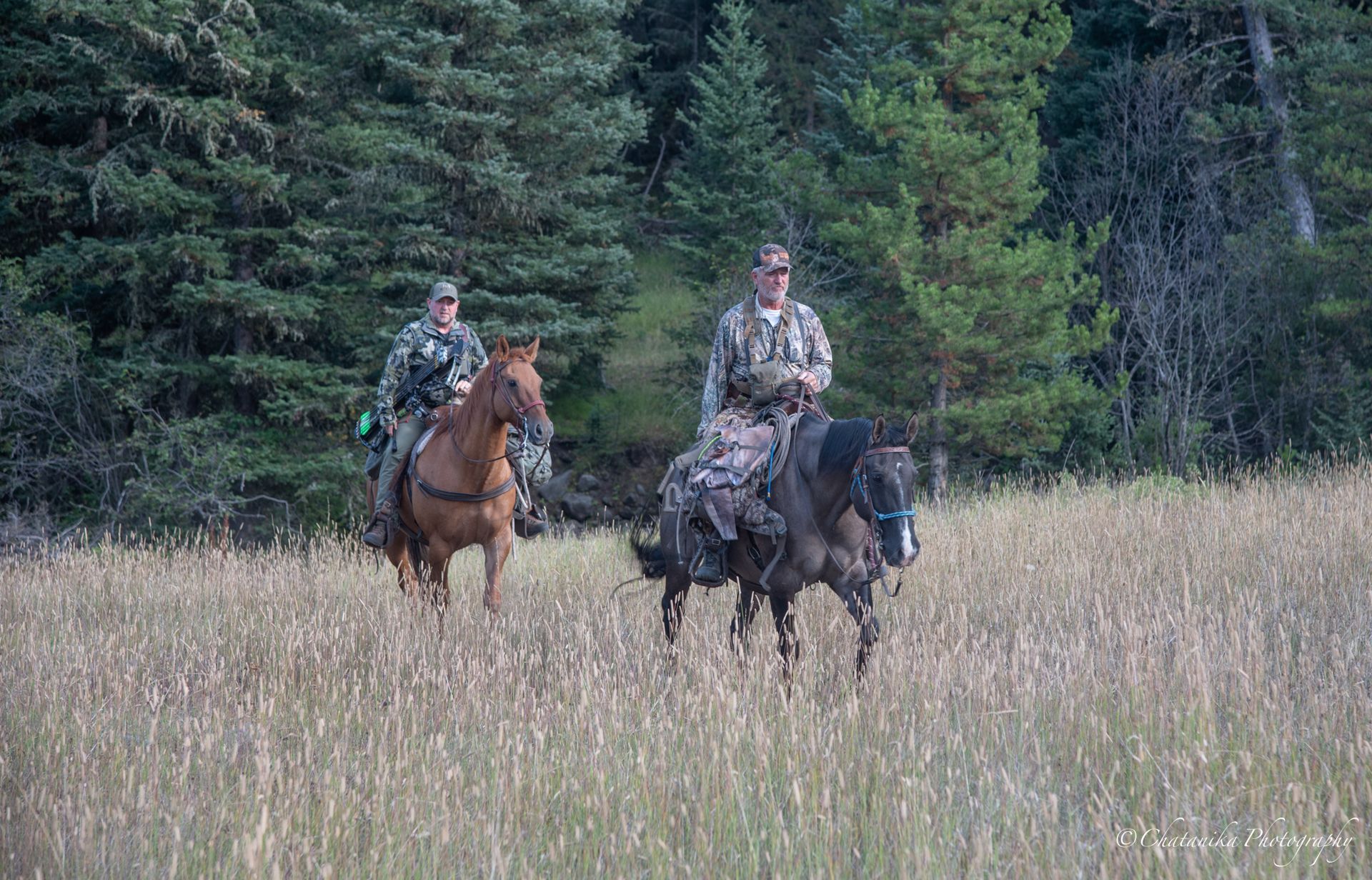
Horseback pack trips near Yellowstone offer access to one of the largest intact wilderness ecosystems in the lower 48. The Absaroka-Beartooth Wilderness sits directly along the northern boundary of Yellowstone National Park, and for outfitters like Black Otter Guide Service who hold both National Forest special-use permits and Yellowstone National Park concession authorization, the terrain available is vast, protected, and almost entirely free of the crowds that define a typical park visit.
This guide covers everything you need to know before booking a multi-day horseback pack trip near Yellowstone: what the experience looks like, which camps and routes are available, how to choose your trip length, and how to prepare.
The Short Answer: Horseback pack trips near Yellowstone travel 10 to 16 miles into the Absaroka-Beartooth Wilderness on day one, reaching semi-permanent wall tent camps with meals provided. Trips run from 4 to 10 days between July and late August. Guests can fish for cutthroat trout, hike, ride, or simply enjoy the solitude of camp. No riding experience is required.
Where You Are Going: The Absaroka-Beartooth Wilderness
The Absaroka-Beartooth Wilderness covers nearly one million acres of southwest Montana, sitting immediately north of Yellowstone's boundary and managed under the Custer Gallatin National Forest. It is high, steep, and remote. Peaks regularly exceed 11,000 feet. The drainage systems feed world-class cutthroat trout fisheries in streams and alpine lakes that receive virtually no fishing pressure from casual visitors.
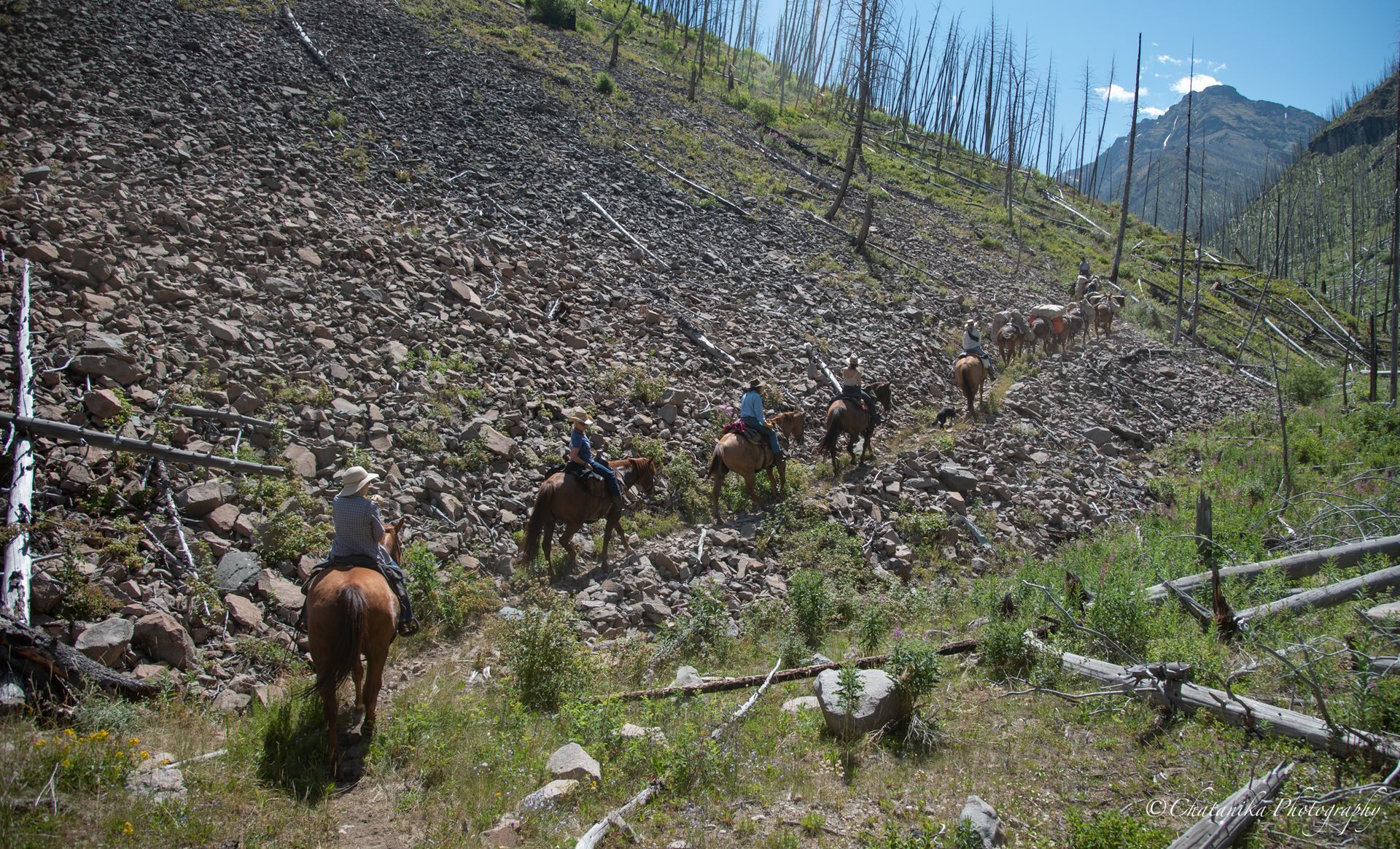
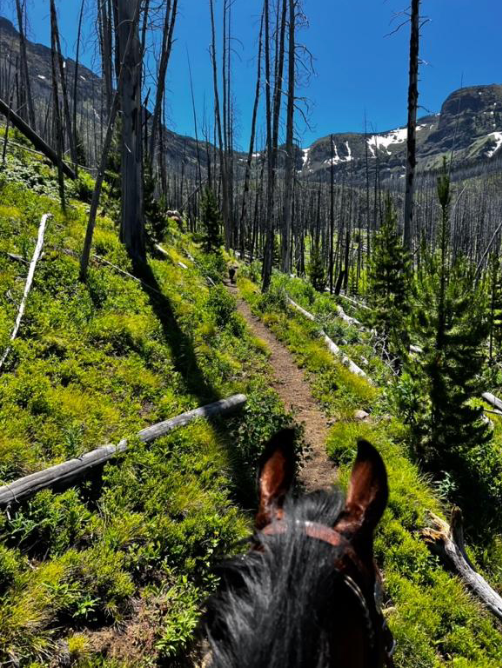
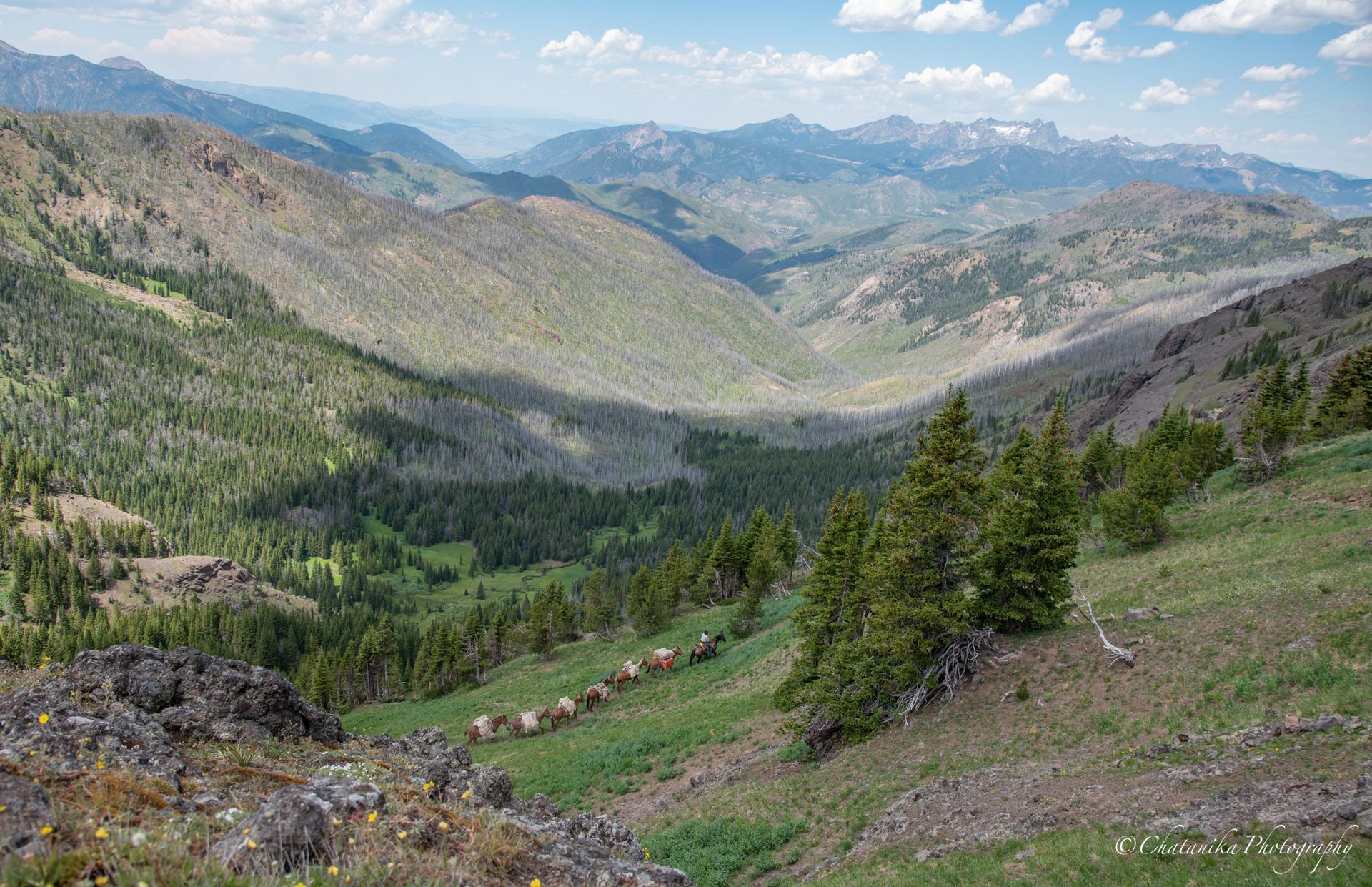
Black Otter Guide Service has operated in this terrain for over 50 years. The routes they use cross landmarks like Wallace Pass at nearly 10,000 feet, descending into drainages like Grizzly Creek, Hellroaring Creek, and the Buffalo Fork of the Yellowstone. These are not trails that appear on a day-hiker's itinerary. Reaching them requires a horse, a pack string, and a guide who knows the mountain.
The ride in to Grizzly Creek Camp covers 16 miles and takes approximately six hours. That distance is the product: genuine wilderness, not a wilderness-adjacent experience.
The Camps: Grizzly Creek, Buffalo Fork, and Slough Creek
Black Otter Guide Service operates three primary camps, each offering a distinct character and set of activities. Multi-day travel trips move between camps. Base camp trips settle into one location for the duration.
Grizzly Creek Camp (July 15 - August 30)
Grizzly Creek is the base camp operation and the most popular destination for first-time guests. It sits in the heart of the Absaroka-Beartooth Wilderness, reached after a 16-mile ride over Wallace Pass that takes approximately six hours with a midday stop for lunch. The camp is a semi-permanent wall tent setup with cots, a wood stove, and meals prepared on-site.
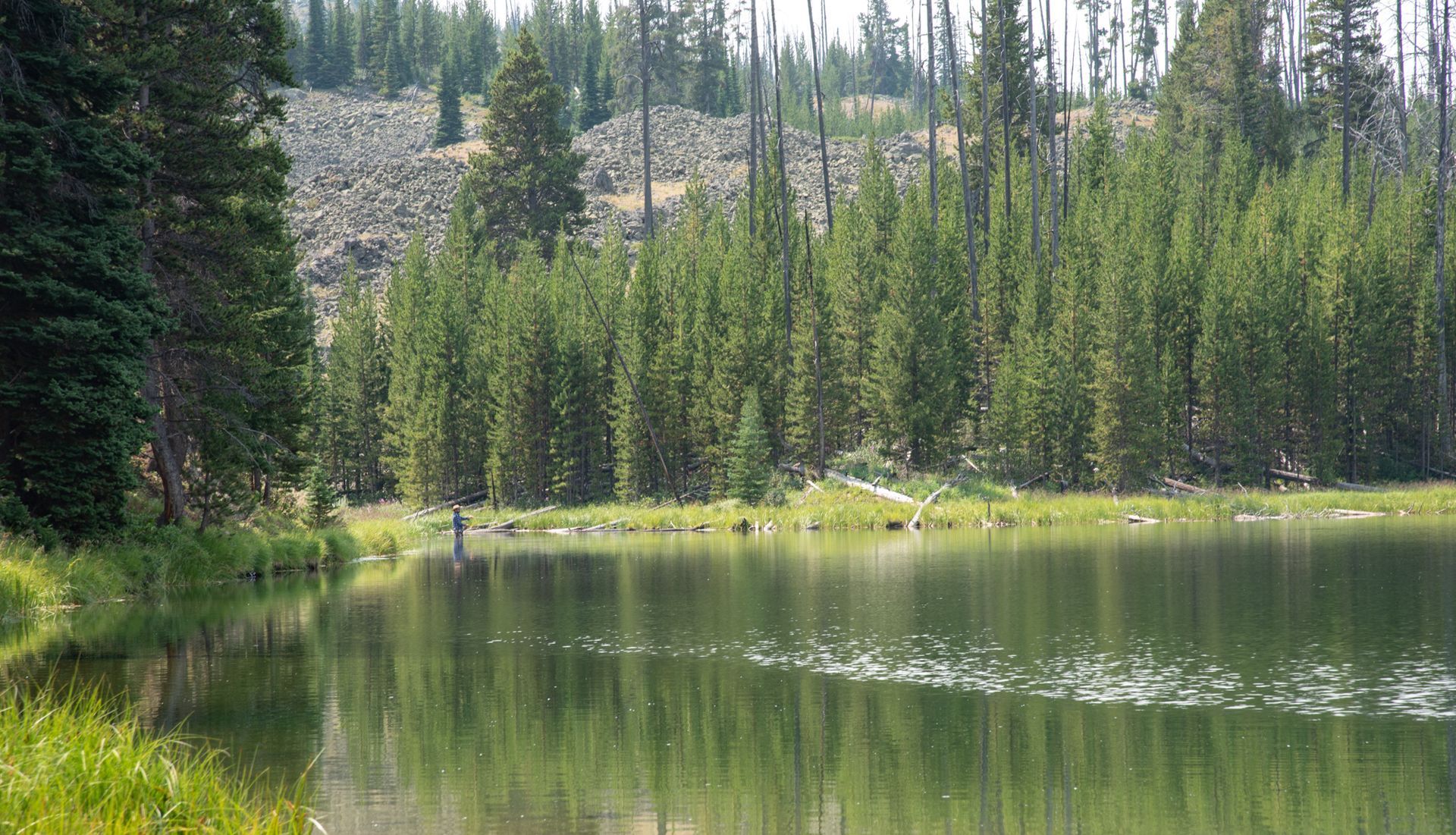
The fishing in this area is exceptional. Carpenter Lake and Grizzly Creek both hold native cutthroat trout in clear, cold water. Hellroaring Creek, where camp sits at the confluence of two drainages, offers some of the most productive and least-pressured stream fishing in southwest Montana. Guests who want nothing more than to ride, fish, and sit by a fire will find Grizzly Creek camp more than sufficient for four to seven days.
Rates for base camp pack trips are $450 per person per day, not including gratuities.
Buffalo Fork Camp
Buffalo Fork sits in Buffalo Fork Meadows, reached by riding from Grizzly Creek over Hummingbird Pass and down through Telephone Basin. The route itself is a highlight: the views from Hummingbird Pass are panoramic and the descent into the meadows is as visually dramatic as any terrain in the wilderness. Buffalo Fork is a feature of the 7-day and 10-day travel trip itineraries.
Slough Creek Camp
For guests who want to connect the wilderness experience with the storied trout fishing of Yellowstone National Park, the Slough Creek camp delivers. Slough Creek is one of the most celebrated cutthroat trout fisheries in the world, running through a section of Yellowstone that is accessible only on foot or horseback. Guests fish for native Yellowstone cutthroat, visit the historic Frenchy homestead, and can ride to Cutoff Mountain for sweeping views of the park's northern range.
This camp is unique because very few outfitters have the authorization to run horseback operations inside Yellowstone. Black Otter Guide Service's Yellowstone concession permit makes this itinerary possible.
Choosing Your Trip Length: 4, 7, or 10 Days
Black Otter Guide Service offers three standard trip structures. The right choice depends on your group's experience level, available time, and what kind of experience you are after.
4-Day Trip: $1,800 Per Person
The four-day, three-night trip most often goes into Grizzly Creek Camp. It is the right choice for first-timers, families with younger children, or guests who want to test the backcountry experience before committing to a longer expedition. You will spend one full day riding in, two full days in camp, and one day riding out. It is enough time to settle into the rhythm of camp life and have at least one genuinely unhurried day in the wilderness.
7-Day Trip: $3,500 Per Person
The seven-day trip is the most popular option and the one most guests find hits the right balance. The two most common itineraries are three nights at Grizzly Creek and three nights at Buffalo Fork, or three nights at Slough Creek and three nights at Buffalo Fork Meadows. You have enough days in each camp to slow down, explore the surrounding terrain, fish different waters, and feel genuinely embedded in the wilderness rather than passing through it.
10-Day Trip: $5,000 Per Person
The 10-day expedition covers all three camps: three nights at Grizzly Creek, three nights at Buffalo Fork, and three nights at Slough Creek. This is the full Black Otter Guide Service experience. It is designed for guests who want the most immersive possible encounter with this specific corner of the Greater Yellowstone Ecosystem, and for groups who want to cover the widest range of terrain, fishing, and riding country that the permitted area has to offer.
What You Will Actually Do Every Day
One of the most common questions from first-time guests is what a typical day in camp actually looks like. The short answer is that there is no rigid schedule, which is partly the point. A day might include:
- An early morning ride to a high vantage point to glass for wildlife
- A few hours of fly fishing on a lake or stream
- A midday rest in camp while the horses graze
- An afternoon hike to a nearby pass or ridge
- A long evening around the fire with dinner and conversation
Guests who want to maximize fishing time can fish nearly all day. Guests who want to ride can work with guides to plan longer day rides into new terrain. Families with children find the camp-centric structure, where the horses are always nearby and the activities can be paced to the group, works exceptionally well for multi-generational trips.
What no day includes: a cell signal, a notification, or the noise of a parking lot.
Wildlife You Are Likely to Encounter
The Absaroka-Beartooth Wilderness and northern Yellowstone region is one of the richest wildlife areas in North America. For many guests, the wildlife encounters are among the most memorable moments of the entire trip. Viewing a grizzly bear or a wolf pack from horseback, with experienced guides nearby, is a fundamentally different experience from watching wildlife from a car window in the park. These are the moments guests talk about for years. Animals you can expect to see include:
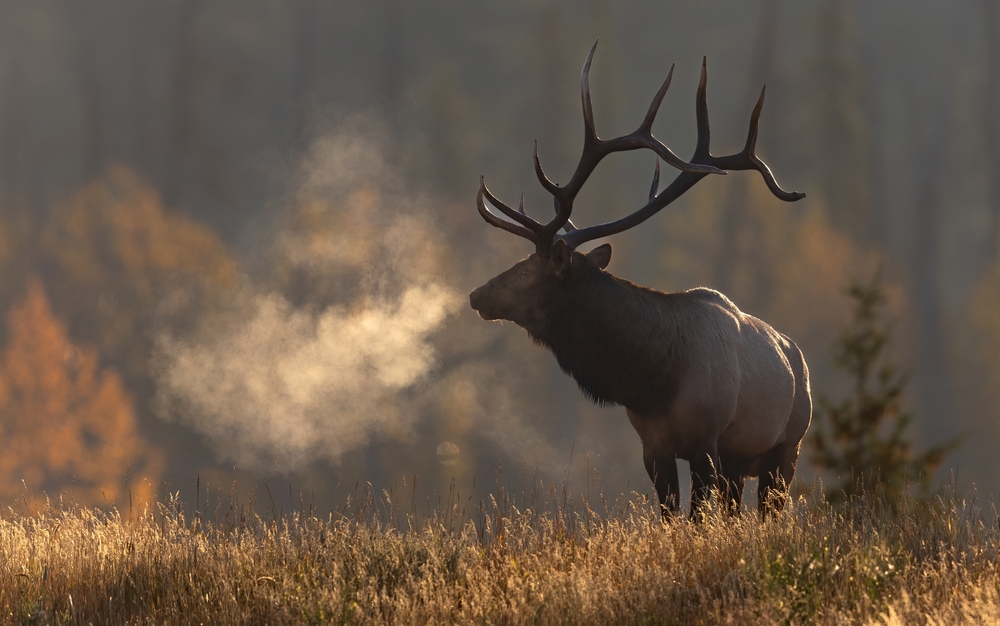
- Elk: large summer herds graze the high alpine basins throughout July and August
- Grizzly bears: the northern Yellowstone ecosystem supports one of the densest grizzly populations outside of Alaska
- Wolves: the Yellowstone wolf population uses the drainages north of the park boundary regularly
- Moose: common in riparian areas and at the edges of alpine meadows
- Mountain goats: visible from ridgelines in the higher terrain
- Cutthroat trout: native populations in nearly every drainage
Your guides have spent decades in this terrain and know where to look and how to read animal behavior. Wildlife encounters are a regular part of the experience, not a lucky exception, and the perspective from horseback makes every sighting more intimate than anything you will find on a boardwalk.
Who Is This Trip Right For?
Black Otter Guide Service summer pack trips work well for a wider range of guests than most people initially assume.
- First-timers with no riding experience: the horses are mountain-trained and steady; guides provide full orientation before the ride in
- Families with children: the 4-day trip in particular is well-suited to older children and teens; confirm age appropriateness for your group with the outfitter before booking
- Multi-generational groups: the combination of horseback riding, fishing, hiking, and camp life offers something engaging for guests of different ages and activity levels
- Serious fly fishers: guests who want to fish Slough Creek or the wilderness lake system with very little company will find this experience hard to replicate anywhere else
- Professionals seeking genuine disconnection: the terrain is far enough from the trailhead that there is no cell service and no practical way to stay connected; this is not a limitation, it is the product
What to Pack: The 30-Pound Rule
Black Otter Guide Service enforces a 30-pound personal gear limit for the ride in. Camp supplies, food, wall tents, and cooking equipment are provided and packed separately by the outfitter. Your 30 pounds needs to cover:
- Sleeping bag: a warm lightweight bag rated to at least 20 degrees Fahrenheit
- Clothing layers: temperatures range from 40 to 90 degrees Fahrenheit; pack for both
- Riding boots or laced boots with a defined heel (no Vibram-soled shoes for riding)
- Rain gear: jacket and pants; afternoon thunderstorms are common in July and August
- Sunscreen, sunglasses, and a broad-brimmed hat
- Fishing tackle if you plan to fish: rods must be in metal or plastic cases no longer than standard length
- Camera and extra batteries: there is no power in camp
- Personal medications clearly labeled
Pack everything in a single stout duffel or side-zipper bag marked with your name and address. Plastic freezer bags inside the duffel keep gear dry through creek crossings and mountain weather. Go lighter than you think you need to. The mountain does the heavy lifting.
Frequently Asked Questions
Do I need riding experience for a horseback pack trip near Yellowstone?
No prior riding experience is required. The horses at Black Otter Guide Service are specifically bred and trained for steep mountain terrain and are accustomed to carrying guests of all experience levels. Your guide will give you a riding orientation before the trip begins. If you have an opportunity to ride before your trip, it will make your first day more comfortable, but it is not a prerequisite.
When is the best time of year for a horseback pack trip in the Absaroka-Beartooth Wilderness?
The summer season at Black Otter Guide Service runs from mid-July through late August. This window represents the best combination of trail conditions, weather, and wildlife activity. High-altitude snowpack has typically melted by mid-July, stream levels have dropped to safe crossing levels, and the alpine wildflowers are at their peak. August offers slightly more stable weather and excellent dry-fly fishing conditions.
What is the difference between a base camp trip and a travel camp trip?
A base camp trip, like the Grizzly Creek Camp operation, keeps guests in one location for the duration. It is ideal for families, less experienced riders, and guests who want to fish or hike from a single well-established camp. A travel camp trip moves between two or three camps over the course of the trip, covering more terrain and offering a more progressive wilderness experience. Travel trips are $500 per person per day due to the additional logistics involved.
Can families with children do a multi-day horseback pack trip?
Yes, with some planning. The 4-day base camp trip to Grizzly Creek is the most appropriate option for families with children. The ride in is approximately six hours, which is manageable for most older children and teens. Families with younger children should contact Black Otter Guide Service directly to discuss the specific ages and experience levels involved so the guides can plan appropriately.
How far in advance should I book a summer pack trip with Black Otter Guide Service?
Summer pack trips typically fill between December and May for the following season. The most popular windows, particularly late July and early August, often book out before March. If you are planning a summer trip, the right time to reach out is now.
Is there cell service or Wi-Fi in camp?
No. Camp is located 15 or more miles from the nearest trailhead at high altitude, well beyond any cell coverage. This is by design. Guests who are looking to genuinely disconnect from work and connectivity will find the wilderness environment delivers that in a way that a lodge or guest ranch cannot. Black Otter Guide Service staff can communicate with the outside world via satellite communication in the event of an emergency.
Book Your Summer Pack Trip Near Yellowstone
Summer dates at Black Otter Guide Service book quickly, and the most popular windows are often reserved months in advance. If you are considering a 2026 trip, spaces are limited and expected to fill before the end of spring.
Call or text Black Otter Guide Service at 406-224-0035 , or visit blackotterguideservice.com to check availability and start planning your expedition.