Montana Backcountry Elk Hunting: What to Expect on a Guided Horse-Supported Expedition
Montana Backcountry Elk Hunting: What to Expect on a Guided Horse-Supported Expedition
A guided elk hunt with Black Otter Guide Service is not a weekend drive-in hunt. It is a multi-day expedition into roadless wilderness in Hunt District 314, where you ride into camp on horseback, hunt with an outfitter that has guided this specific country for over 30 years, and return with an experience that most hunters only read about.
Black Otter Guide Service guides hunters in Hunt District 314 (HD-314) in southwest Montana, a district that is home to one of the largest resident elk herds in Montana, along with strong populations of mule deer, mountain goat, and moose. Black Otter Guide Service has operated in this terrain since 1968, building more than 50 years of institutional knowledge about how elk move through this specific country across every season and weather condition.
This guide covers the facts: how the hunt is structured, what each day looks like, what the terrain demands of you, what Black Otter Guide Service provides, and how to give yourself the best chance of success.
The Short Answer: Montana backcountry elk hunting with Black Otter Guide Service takes hunters on a 6-mile, 1.5-hour ride into Big Creek Camp at 6,800 feet in Hunt District 314 (HD-314). Daily hunts involve 1-2 hours of riding to the hunt location and several miles of hiking. Archery season opens September 1; rifle season runs late October through November. Historical elk opportunity rate is approximately 40%, with most bulls taken over 300 inches.
Hunt District 314: Why This Country Produces Big Bulls
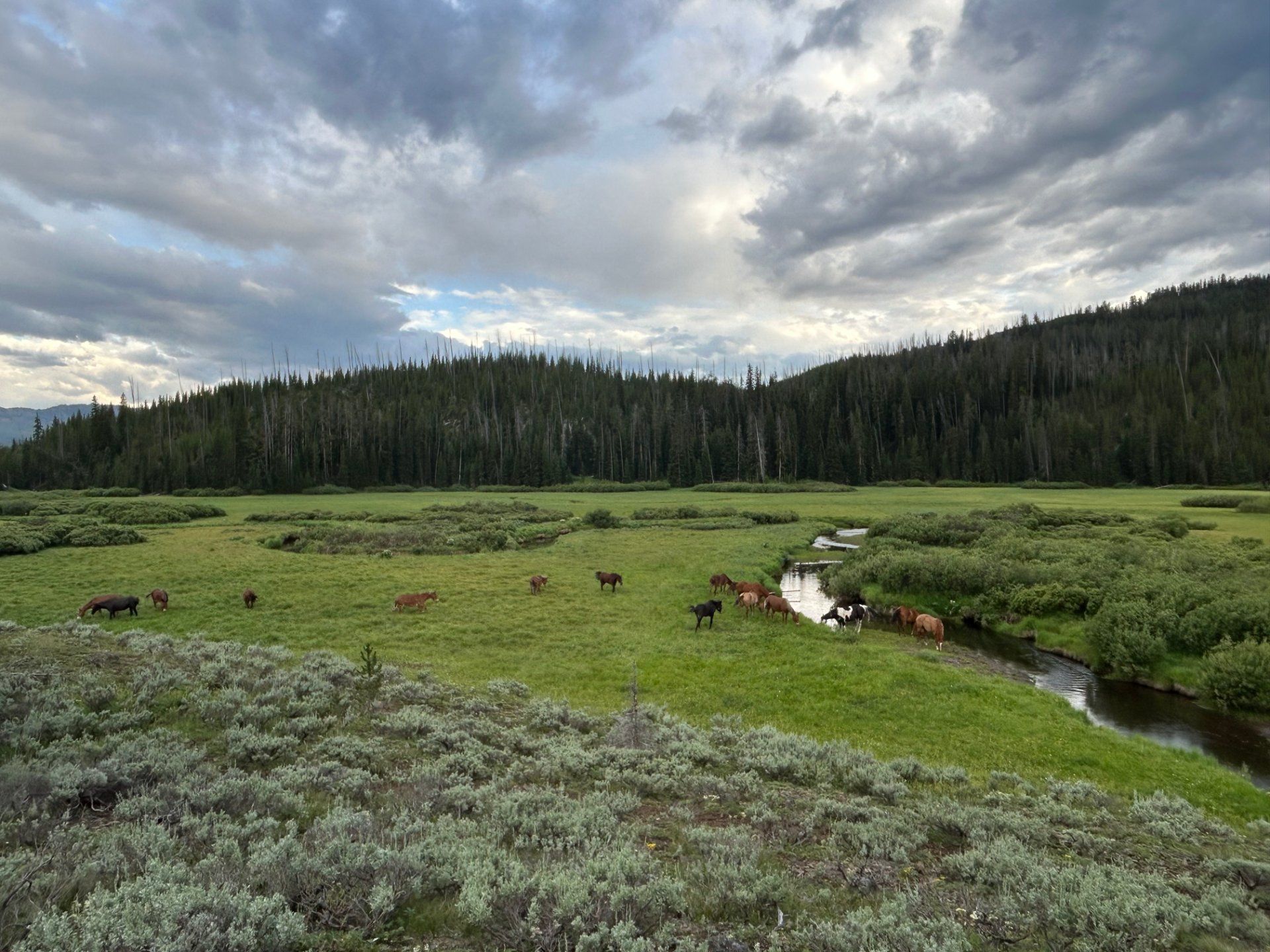
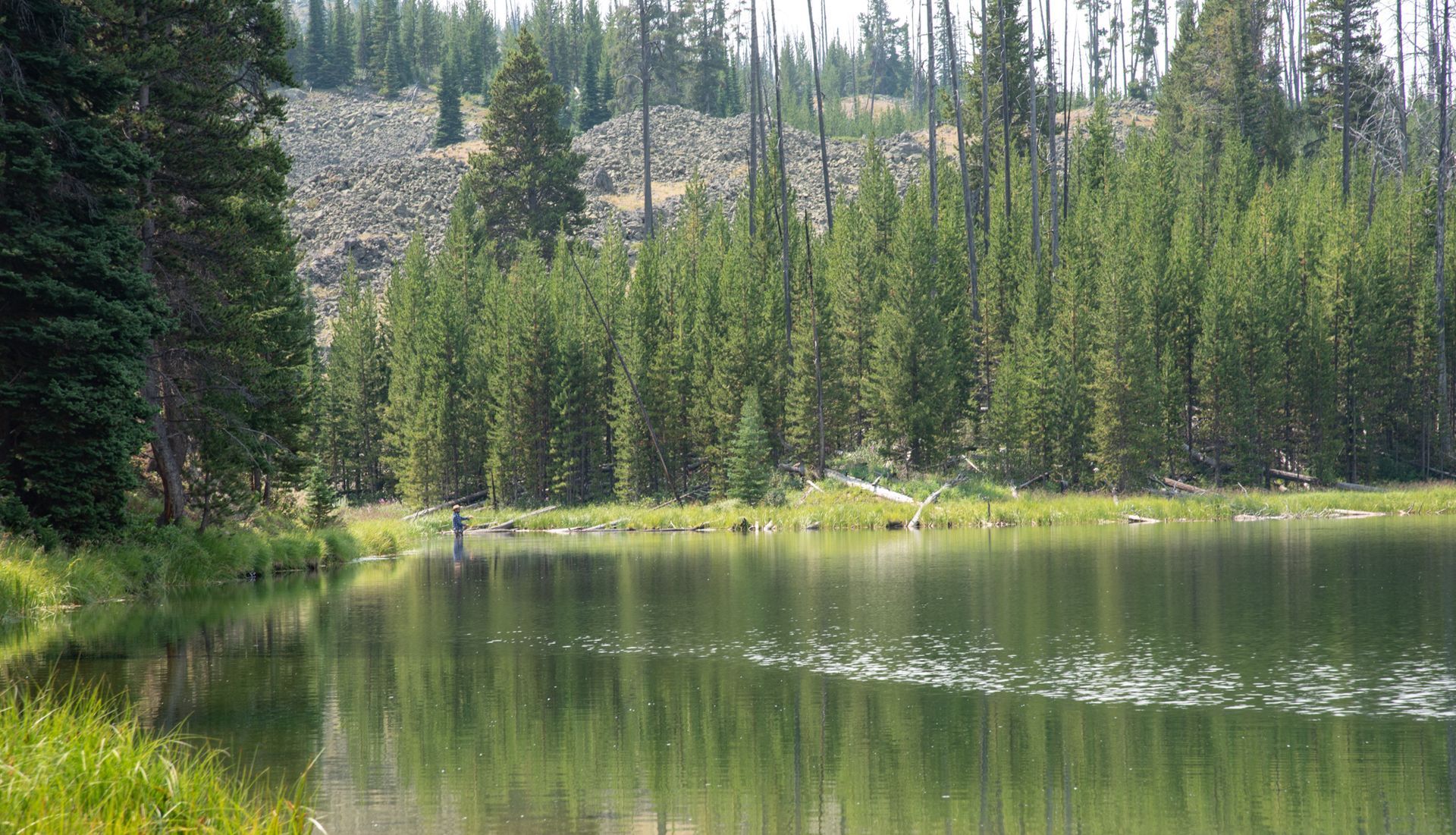
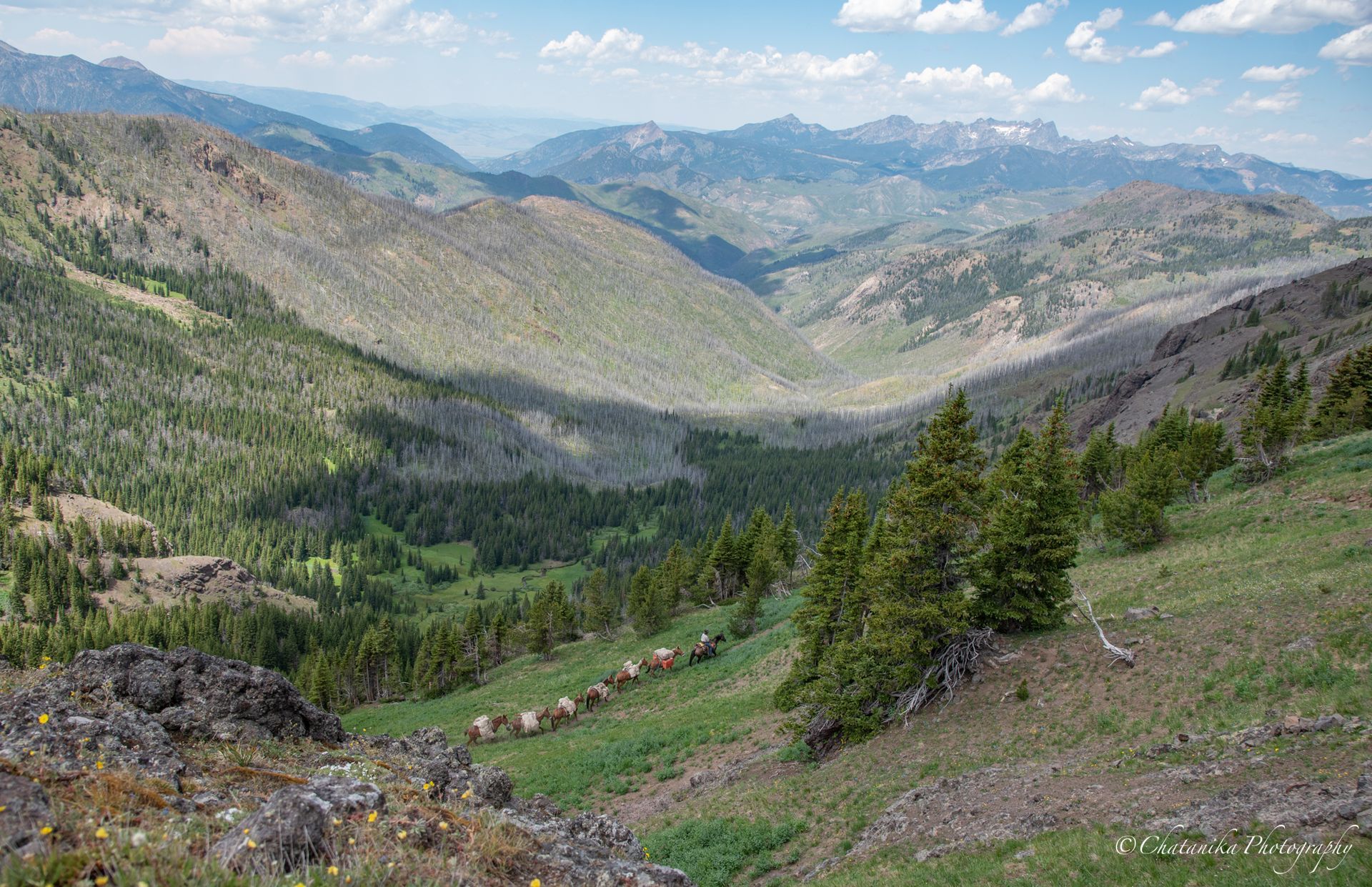
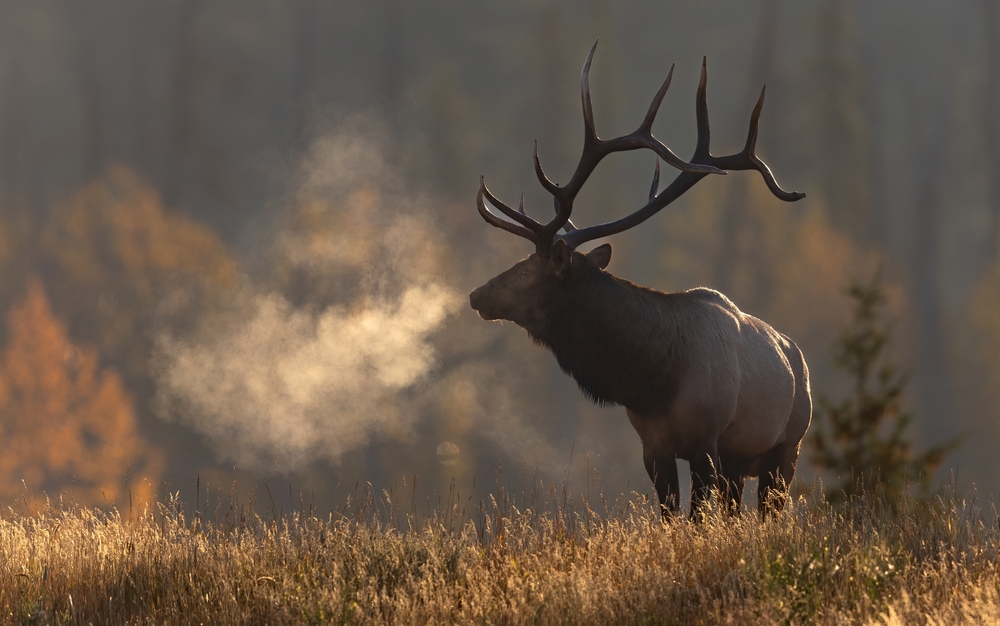
HD-314 is one of the premier elk hunting districts in southwest Montana. It is home to one of the largest resident elk herds in the state, and it holds excellent populations of mule deer, mountain goat, bear, and moose. The terrain is steep, wooded, and roadless in the areas Black Otter Guide Service guides, which means elk are not subjected to the pressure that concentrates hunting activity closer to trailheads and roads.
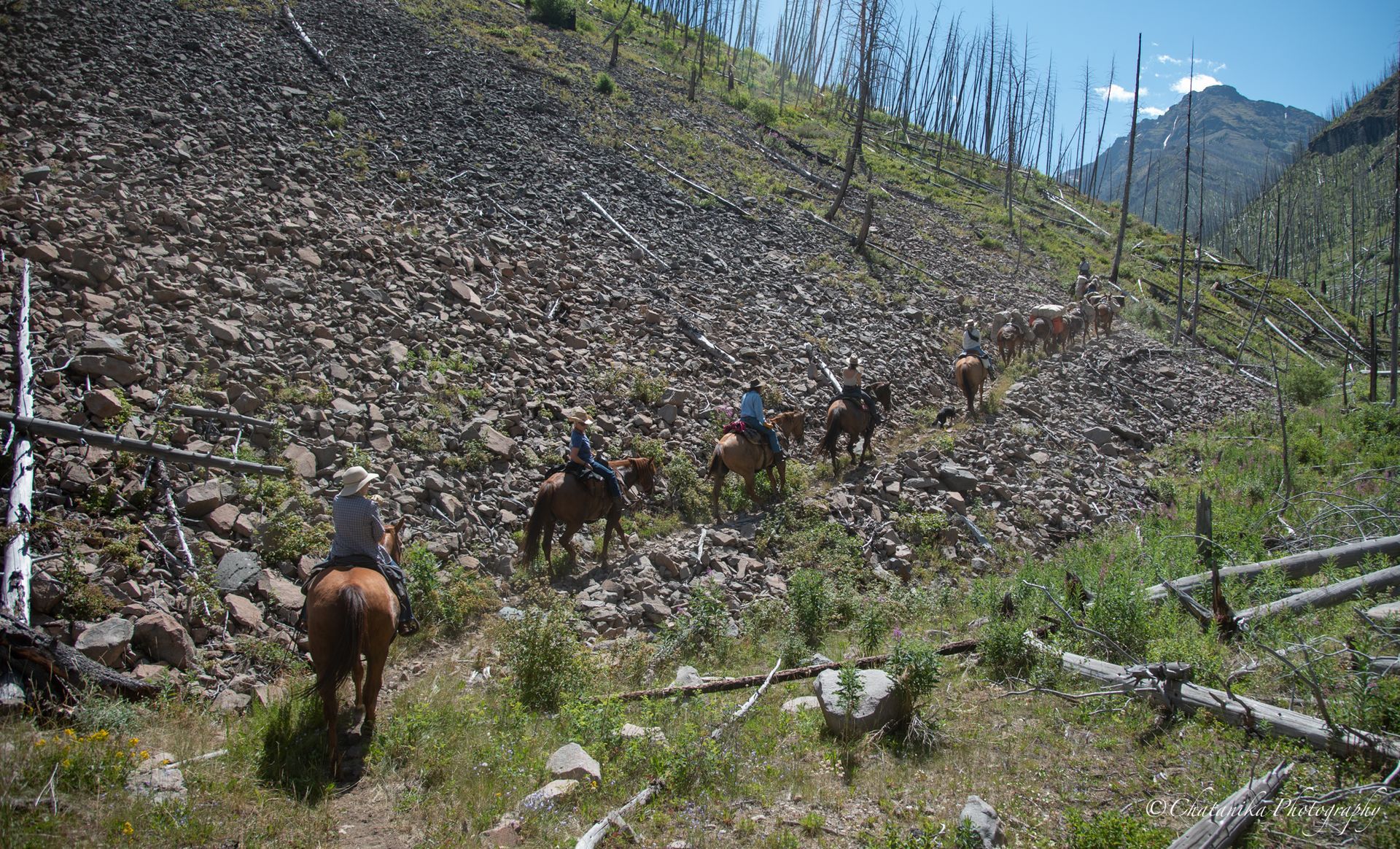
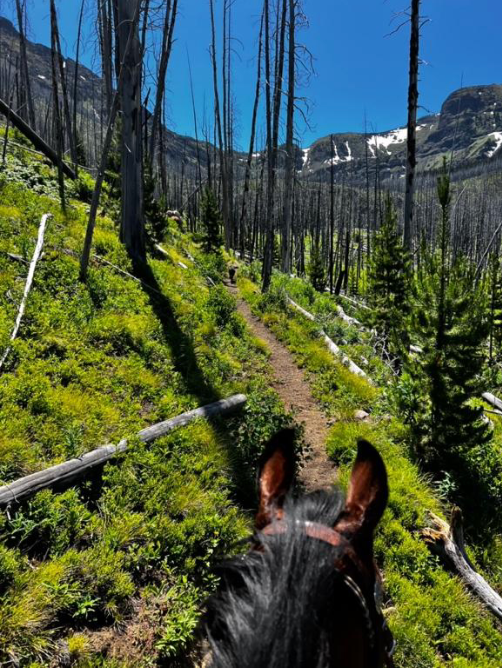
Big Creek Camp sits at 6,800 feet. From camp, guides ride hunters out one to two hours each morning to reach the hunt area, then cover several miles on foot depending on where elk are located that day. The country rewards hunters who are fit, patient, and willing to trust their guide's knowledge of where the animals are.
The historical elk opportunity rate at Black Otter Guide Service is approximately 40% on public land, a number that reflects both the quality of the hunting and the reality that weather, hunter fitness, and the unpredictable nature of elk all play a role. Most bulls that are taken are over 300 inches. Those are not lucky numbers; they are the product of 30 years of guiding in the same country.
Montana Elk Hunting Seasons: Archery and Rifle
Archery Elk Hunting: September
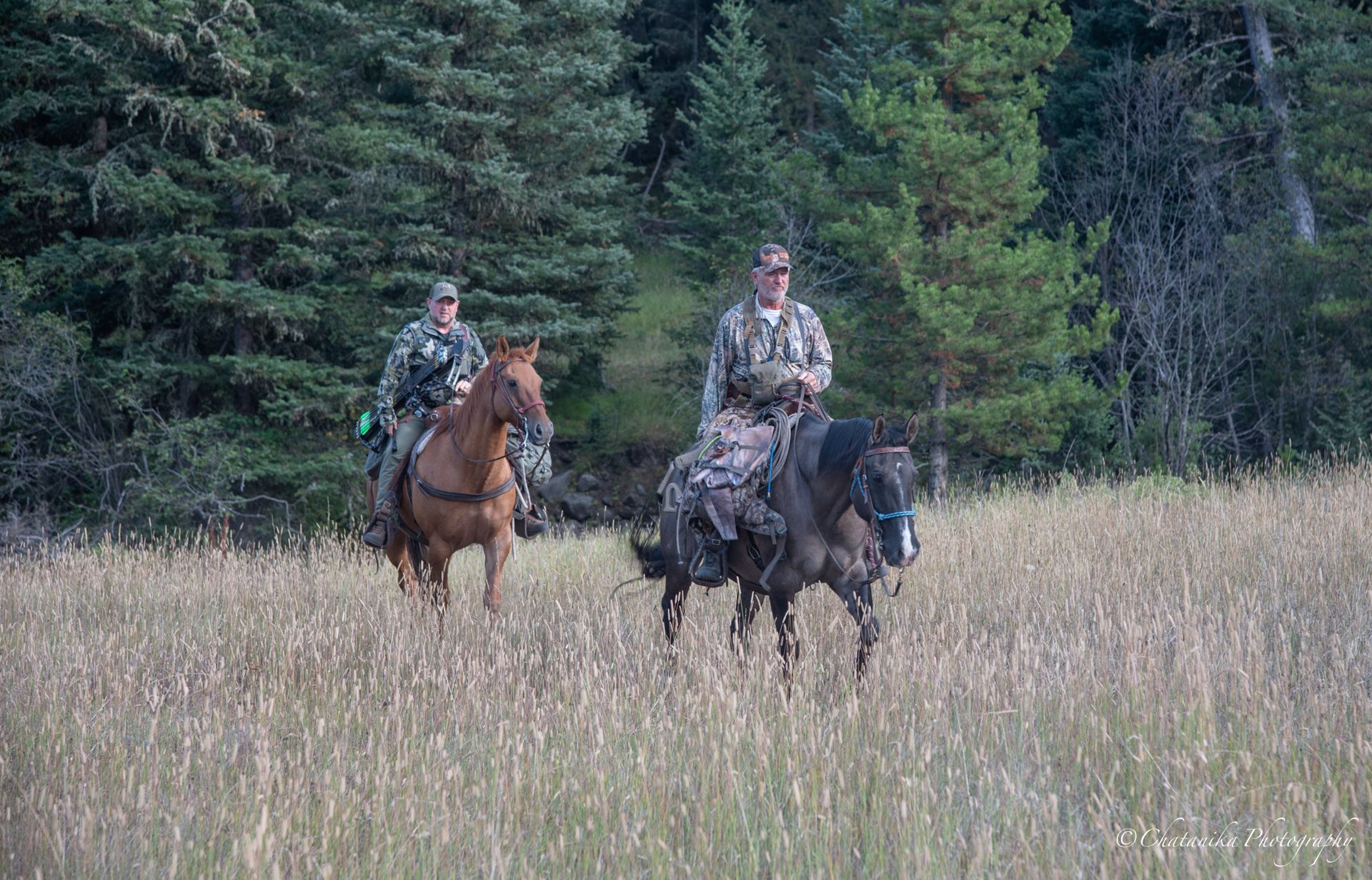
Archery season opens September 1. Black Otter Guide Service runs archery hunts out of Big Creek Camp with a maximum of two hunters at a time, which ensures focused, personal attention from your guide. The rut drives bull activity during this window, and close encounters are the norm. Archery hunters at Black Otter Guide Service have had elk as close as 10 yards, and guides do not encourage shots beyond 40 yards. If you are an archery hunter who wants a genuine rut encounter in tight timber and steep country, this is the hunt.
Archery hunt dates for 2026: Hunt 1 runs Friday September 4 through Thursday September 10 (7 days, season opens September 5). Hunt 2 runs Sunday September 13 through Friday September 18. Hunt 3 runs Sunday September 20 through Friday September 25.
Rifle Elk Hunting: Late October through November
Rifle season opens October 24 and runs through late November. Up to six hunters can be in camp during rifle season. The terrain and distances involved mean rifle hunters should be comfortable shooting from 100 to 400 yards from field positions. This is not a bench-rest situation; bringing a rifle you are familiar with and shoot well under varying conditions matters more than caliber.
Rifle hunt dates for 2026: Hunt 1 runs Friday October 23 through Thursday October 29 (season opens October 24). Hunt 2 runs Sunday November 1 through Friday November 6. Hunt 3 runs Sunday November 8 through Friday November 13. Hunt 4 runs Sunday November 15 through Friday November 20.
2027 dates are also available for hunters planning ahead. Contact Black Otter Guide Service for the full 2027 schedule.
Trophy Hunts: Mountain Goat, Moose, and Bighorn Sheep
For hunters who draw a limited-entry tag for mountain goat, moose, or bighorn sheep in the area, Black Otter Guide Service offers dedicated trophy hunts out of a spike camp in Big Creek. These hunts run one hunter per guide with a maximum of two hunters per expedition, ensuring the focused attention these demanding hunts require. Rates start at $10,000 per person for six days. Non-resident big game licenses for these species are available through a drawing process, with applications due by May 1.
What a Typical Hunt Day Actually Looks Like
One of the most valuable things a prospective hunter can know before booking is what the daily rhythm of a guided backcountry hunt actually involves. Here is an honest picture.
You will ride from Big Creek Camp for one to two hours each morning to reach the day's hunt area. The hiking from there depends entirely on where elk are located that day, but expect to cover at least a couple of miles on foot. The standard structure is a morning hunt, a midday stop for lunch, and then a second hunt in the afternoon before riding back to camp in the evening. Warm gear is essential for the ride out in the evening, particularly in October and November.
If you take an elk early in the week, your hunting does not need to stop. Hunters who fill their elk tag early have the option to hunt mule deer, wolf, and black bear from the base camp for the remainder of their days.
What Black Otter Guide Service Provides
Black Otter Guide Service runs a fully outfitted expedition. Here is what is included:
- One guide for every two hunters
- A dedicated camp cook and hearty home-style meals
- Horses, scabbards, and all riding and camp gear
- Wall tents heated with wood stoves
- Cots and foam pads
- Assistance dressing and packing out game
- Bear spray available; clean camp protocols are maintained throughout
What you bring: your rifle or bow, ammunition or arrows, a sleeping bag, and personal items. The weight limit for personal gear is 50 pounds. Bring layers, not heavy coats; temperatures range from -20 to +70 degrees Fahrenheit, and layering lightweight clothing is strongly preferred over bulky outerwear.
The Outfitter Preference Point Advantage
One of the most strategically important steps a Montana elk hunter can take is purchasing an outfitter preference point. When you book a guided hunt with a licensed Montana outfitter before applying for your license, you become eligible to purchase an additional outfitter preference point through the Montana Fish, Wildlife and Parks drawing system. These points accumulate alongside your regular preference points and improve your odds for limited-entry tags over time.
How to Prepare Physically for a Backcountry Elk Hunt
The terrain in HD-314 is steep and the daily mileage on foot is real. Hunters who arrive physically prepared get more out of every day. The hunt involves riding on horseback for one to two hours each morning to reach the hunt area, then covering several miles on foot. Here is what to focus on before your trip:
- Build cardiovascular endurance before you arrive. The daily hunt structure involves riding on horseback for one to two hours each morning, followed by several miles on foot in steep terrain. Guests who are in good aerobic shape get more productive hunting time each day.
- Practice shooting from realistic field positions before your trip. Rifle hunters should be comfortable shooting at distances from 100 to 400 yards. Archery hunters should practice at close range under pressure; encounters in HD-314 timber can happen at 10 yards or less.
- Prepare for temperature swings. Big Creek Camp sits at 6,800 feet, and temperatures can range from -20 to +70 degrees Fahrenheit. Physical readiness includes having the right layering system, not just fitness.
What to Pack: The 50-Pound Limit
Personal gear is limited to 50 pounds for the ride in. Camp supplies, food, tents, and cooking equipment are provided and packed separately. Your 50 pounds should cover:
- Rifle in the 30-06 category with a 4-power scope, OR bow with sling and arrows (a sighting target is available in camp)
- Ammunition: 2 boxes
- Sleeping bag: 5-pound down or polyfill, or two lightweight bags
- Thermal underwear: 2 pairs, winter weight
- Wool pants and warm shirts
- Coats: at least one wool or water-repellent outer layer
- Gloves and mittens: several pairs
- Hat or cap that covers your ears
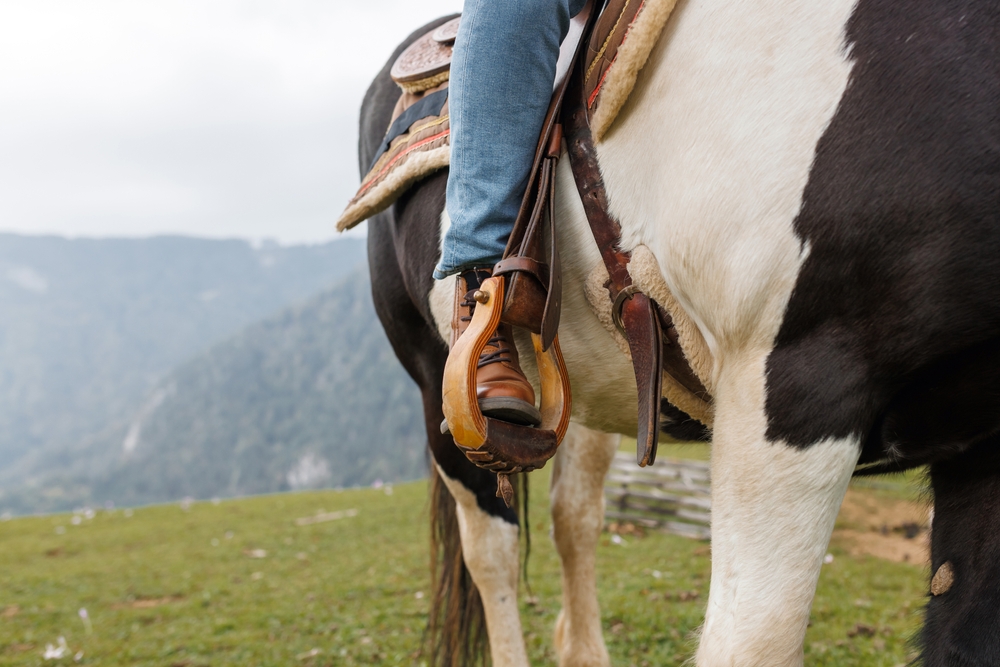
- Boots: 2 pairs. One for hunting, one for camp. Heavy Vibram soles and pack boots are not recommended for riding
- Gaiters and wool socks: several pairs
- Blaze orange vest of at least 400 square inches (required for rifle hunters)
- Day pack for lunches and needed items during the hunt
- Binoculars: lightweight, 10-power with a rangefinder
- Hunting knife, compass, 1-liter minimum canteen or water bottle with a water filter
Pack everything in a stout duffel or side-zipper bag marked with your name and address. Plastic freezer bags inside the duffel keep gear dry. Please notify Black Otter Guide Service of any dietary restrictions or food allergies before your trip.
Rates and Booking
Black Otter Guide Service offers three pricing tiers for hunting:
- 2 hunters with 1 guide: $6,500 per person for a 6-day hunt (half travel day on each end)
- 1 hunter with 1 guide: $8,000 per person for a 6-day hunt (half travel day on each end)
- Trophy hunts (moose, mountain goat, bighorn sheep): $10,000 per person for a 6-day hunt
All prices exclude gratuities and are subject to change. A deposit of $1,500 per person is collected at booking. If you draw a license, the remaining 50% deposit is due by May 1st. The outstanding balance is due four weeks prior to your trip. If you do not draw a license and notify Black Otter Guide Service by May 1st, the full deposit is transferable to another trip for one year or refundable minus a 5% admin fee. Travel insurance is strongly recommended.
Frequently Asked Questions
What hunting area does Black Otter Guide Service operate in?
Black Otter Guide Service guides hunters in Hunt District 314 (HD-314) in southwest Montana. The district is excellent for elk, mule deer, mountain goat, bear, and moose, and is home to one of the largest resident elk herds in Montana.
How far is the ride into hunting camp?
Big Creek Camp is a six-mile ride, approximately 1.5 hours on horseback. Camp sits at 6,800 feet elevation. From camp, guides ride hunters out one to two hours each morning to reach the day's hunt area.
What is the success rate on a guided elk hunt with Black Otter Guide Service?
The historical elk opportunity rate is approximately 40% on public land. That number reflects weather, hunter fitness, and the nature of fair-chase hunting on public land. Most bulls taken are over 300 inches. Your guide will give you an honest assessment based on current season conditions.
How many hunters are in camp at one time?
During archery season, Black Otter Guide Service takes a maximum of two hunters at a time unless prior arrangements have been made. During rifle season, camp can accommodate up to six hunters.
Do I need prior riding experience?
No. Black Otter Guide Service has horses to suit any rider, from beginners to experienced horsemen. They do ask that you share your height, weight, and riding experience level before the trip so the right horse can be matched to you.
Are there age, height, or weight restrictions?
For the health and safety of the stock and all clients, participants must be 6 years of age or older, weigh under 265 pounds, and be at least 3 feet 6 inches tall.
Is this grizzly bear country?
Yes. Black Otter Guide Service operates in grizzly bear country and maintains clean camp protocols throughout every expedition to reduce bear contact. Bear spray is available in camp for those who want it.
What is an outfitter preference point and how do I get one?
Montana allows hunters to purchase an additional preference point when booking with a licensed outfitter before applying for their license through the Montana Fish, Wildlife and Parks drawing system. These points accumulate and improve your odds for limited-entry tags over time. Black Otter Guide Service can help you understand the process and timing.
Ready to Plan Your Montana Backcountry Elk Hunt?
Hunting dates for 2026 and 2027 are available now, and archery season spots fill quickly. If you are serious about hunting HD-314 with one of Montana’s most experienced outfitters, now is the time to start the conversation.
Call or text Black Otter Guide Service at 406-224-0035, or visit blackotterguideservice.com to check availability and learn more about the outfitter preference point opportunity.